



Successfully Concludes: Two Days to Understand the New Chess Game of Chinese Enterprises' Globalization in Southeast Asia in the AI Era
 ice
•
ice
•
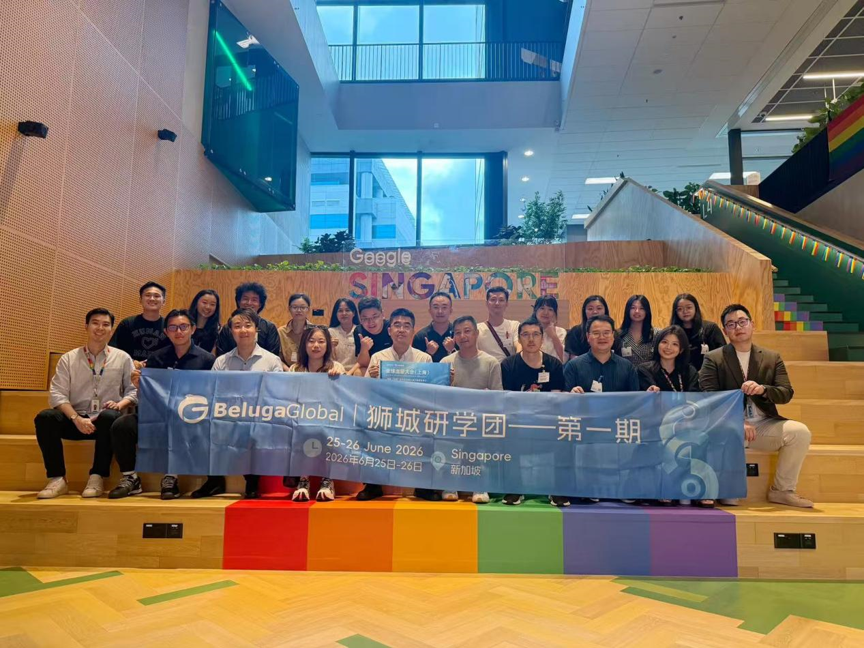
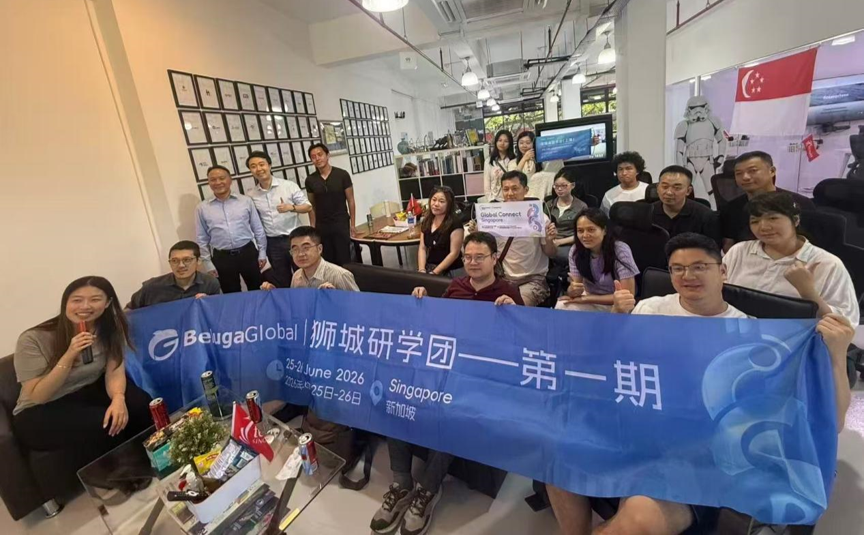
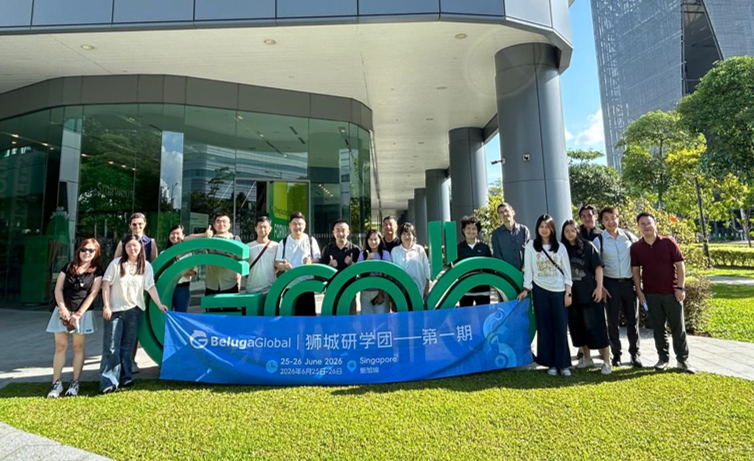
From June 25 to 26, 2026, the "Lion City Study Tour First Edition" hosted by BelugaGlobal was successfully held in Singapore. More than 20 founders, decision-makers, and senior executives from globalized enterprises visited six institutions over two intensive days: Google Cloud, Microsoft, Riot Games, Nanyang Technological University, Quest Ventures, and Grab For Business.
From AI platformization and enterprise agents, to overseas marketing upgrades and game content industrialization, from ASEAN localization operations to the venture capital perspective, and then to the infrastructure logic of Southeast Asia's super app – this high-density, high-intensity study tour provided Chinese enterprises going global with a reference answer that combines strategic depth and practical value.

Core conclusion throughout: Going global is not "going out" but "integrating in"
The two-day, six-stop itinerary repeatedly confirmed a judgment: Chinese enterprises going global to Southeast Asia cannot simply replicate domestic playbooks; they need to simultaneously build AI capabilities, regional headquarters capabilities, local organizational capabilities, and long-term brand trust. ASEAN is not a unified market, but a combination of multiple markets with completely different languages, religions, regulations, and consumer psychologies. Singapore is better suited for regional headquarters, capital, talent, compliance, and brand endorsement functions, while real consumer growth is often found in Indonesia, Vietnam, Philippines, Malaysia and other markets.
First morning: Google Cloud——From "models answering questions" to "agents completing tasks"
The study tour's first stop was Google Cloud. The Google team shared along two main tracks: Gemini 3.5 and enterprise agent strategy, and AI-driven search advertising and YouTube marketing upgrades.
At the model level, Gemini 3.5 Flash was introduced as a model with good balance among speed, reasoning capability, and cost. But Google repeatedly emphasized that enterprises should focus not on the mere per-million-token price, but on the delivery cost and ROI for completing specific business tasks – shifting from "token maximization" to "token economy." Models should be used hierarchically: complex tasks to Pro/Ultra, routine high-frequency tasks to Flash or lightweight models, avoiding using flagship models for simple tasks.
More noteworthy is the distinction between "models" and "agents": models answer questions, while agents call tools, acquire data, analyze, and deliver results around a goal. Gemini Enterprise is positioned as an enterprise internal agent platform for connecting HR, finance, business, CRM, office systems and other data, reducing tool silos. This shift means that the focus of AI is moving from single-point model usage to enterprise agents that can call tools, access data, and manage processes.
On the marketing side, AI Overview and AI Mode are changing the first touchpoint of search results pages. User queries are becoming longer, more conversational, and more dialogue-like; Google Search is shifting from "providing information" to "assisting with task completion." Google Search Ads have upgraded from keyword matching to intent matching, and AI Max for Search can capture new demand that keywords previously could not cover. The value of YouTube in overseas content marketing was emphasized – especially suitable for brands to reach users at moments of high attention and high emotion. The Hilton case showed that combining AI search with YouTube can guide users from inspiration, content viewing, and brand understanding all the way to official website bookings.
Implications for Chinese globalizing enterprises: They need to reorganize content assets to make brands easier for AI search to understand and cite; ad placements should be designed around user intent, scenarios, and decision journeys, not just keywords and creative sizes; internal AI construction can start with clear scenarios like customer service, market research, financial analysis, and content production.
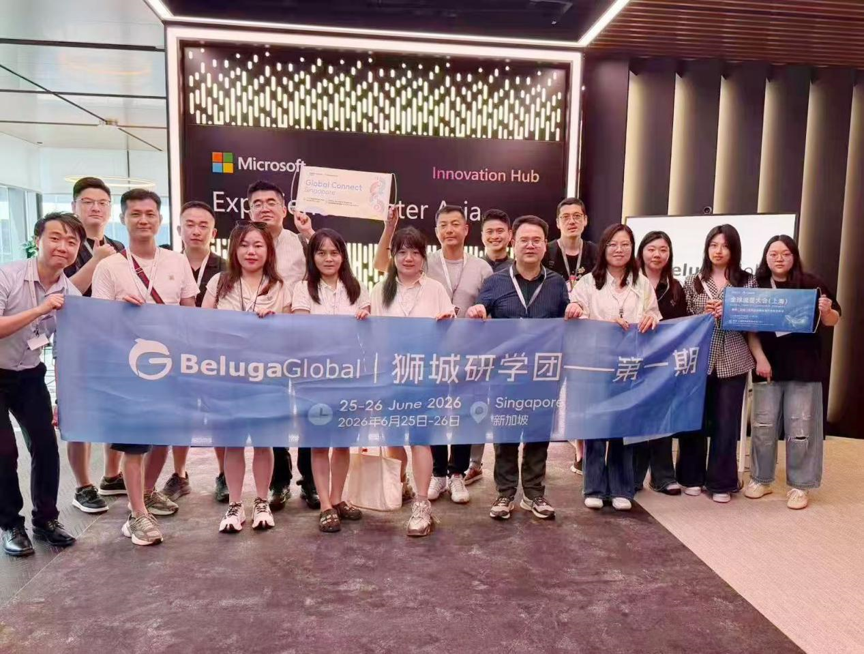
First afternoon: Microsoft – AI entering real industry workflows
In the afternoon, the study tour visited Microsoft. The sharing focused on three cases – pharmaceuticals, Coca-Cola, and Dentsu – demonstrating how enterprise AI enters real industry processes.
In the pharmaceutical case, AI helped scientists screen targets from vast amounts of disease, protein, public research, and funding information, generate research reports, and narrow thousands of candidates down to a few worth real experimentation through simulated experiments. The Coca-Cola case demonstrated the value of AI in B2B ordering scenarios: recommending restocking beverages to small shop owners based on factors such as historical store sales, geographic location, and surrounding events, boosting SME revenue by about 5%.
Implications for Chinese overseas enterprises: AI implementation should prioritize high-frequency, verifiable, closable-loop scenarios, rather than first pursuing grand "AI strategic slogans." Cross-border e-commerce and brand export companies can learn from the Coca-Cola case, using AI for channel replenishment, regional event forecasting, distributor recommendations, and inventory suggestions. When evaluating AI projects, enterprises should budget for costs of data preparation, system integration, permissions, security, and organizational usage habits.
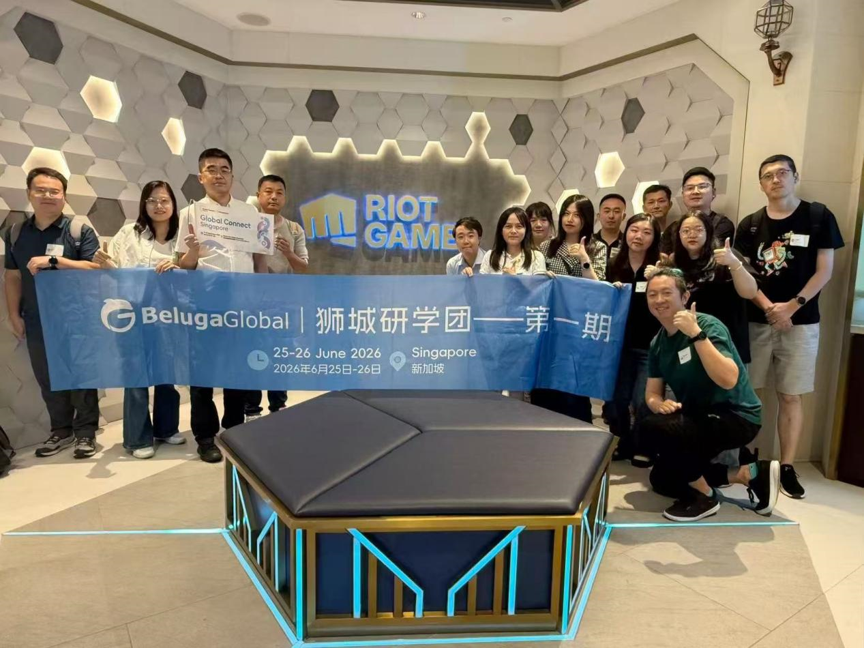
First afternoon: Riot Games – Content industrialization and global collaboration
In the evening, the study tour entered Riot Games' Singapore office. As the Asia-Pacific headquarters and one of the largest studios globally, it houses over 200 Rioters from around the world. The sharing focused on the Singapore office's positioning, team composition, skin production processes, and attitudes toward AI.
Riot's Singapore office initially undertook Southeast Asian publishing functions and later expanded to development, with local developers mainly in art roles, primarily involved in skin, cosmetics, and visual asset production. At the same time, the Singapore team acts as a bridge between the U.S. and the China/Shanghai art teams – due to Riot's relationship with Tencent, and China's particularities in data security, game development, and geopolitics, Singapore serves as a middle ground connecting U.S. and Chinese teams.
Regarding AI, Riot's stance is cautious and clear: currently, they do not use AI to generate player-facing content, including art and narrative; however, employees may use ChatGPT, Claude, Gemini, Glean, etc. to boost personal productivity. Riot's attitude toward AI is: not falling behind, not blindly rushing to the front – it is first and foremost a game company, not an AI tech company.
Implications for Chinese overseas enterprises: Content companies should base "blockbusters" on long-term processes, standards, and organizational collaboration, not just inspiration. The value of Singapore as a team bridge is not merely tax or geographic location, but also cross-cultural collaboration, international talent, and a trust buffer between China and the West.
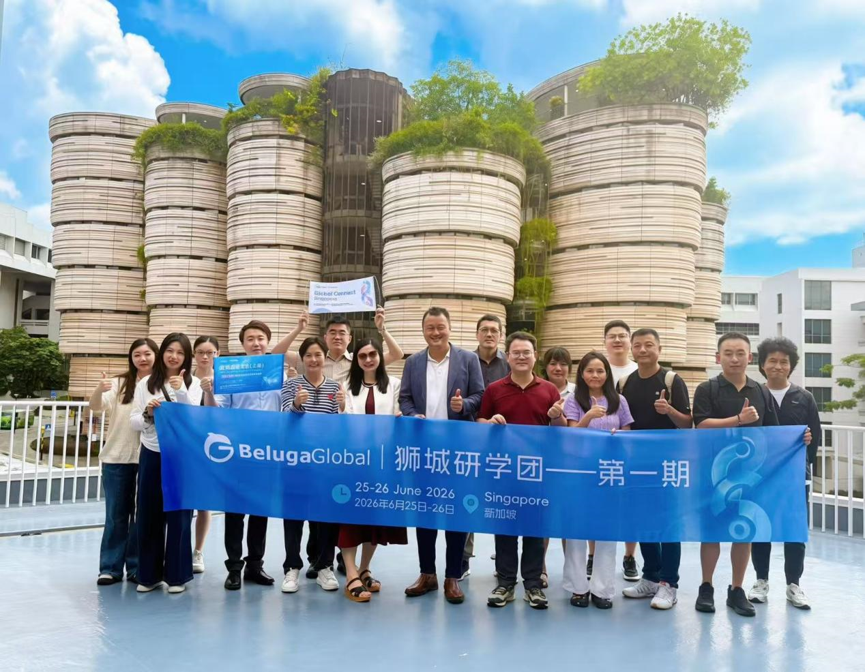
Second morning: Nanyang Technological University – ASEAN global leadership and brand localization
On the second morning, the study tour visited Nanyang Technological University, ranked 12th globally. The Nanyang Business School team shared in-depth on topics including ASEAN global leadership and brand entry into ASEAN markets.
The core insights hit the mark: Chinese enterprises going global cannot continue to approach each country with the domestic mindset of price wars and speed races. ASEAN has 11 member states, each with its own culture, religion, laws, human resource practices, and business relationships. Sending only Chinese teams locally rarely succeeds – in Indonesia, Malaysia, Vietnam, Philippines and others, local teams are a must. In Muslim markets like Malaysia and Indonesia, one must understand prayer, dietary, rhythm, and religious customs. Contracts, labor laws, taxation, and employment systems cannot be copied from Chinese experience – for example, penalty clauses for lateness may have legal risks in Singapore.
At the brand level, a brand is not a logo and paid traffic, but long-term trust assets. Marketing can drive short-term purchases; brand determines sustained value after ten years. Colors, animals, names, and symbols carry different meanings across cultures – pigs, dogs, dragons, red, green, etc. must be carefully evaluated when entering Muslim, Catholic, Thai, and other markets.
Implications for Chinese overseas enterprises: Before going abroad, conduct cultural risk testing, especially for brand names, logos, animal imagery, color systems, product roles, and advertising messages. Singapore is suitable for regional headquarters, financing, training, compliance, brand endorsement, and international talent nodes, but actually operating in each market still requires localization. Chinese bosses and management should receive training to understand local laws, labor systems, religious cultures, and business etiquette.
Second afternoon: Quest Ventures – Southeast Asian venture capital perspective and AI investment judgment
In the afternoon, the study tour visited Quest Ventures. This venture capital firm, headquartered in Singapore and with deep roots in Southeast Asia and Central Asia, manages over USD 80 million in AUM and has a portfolio of nearly 150 companies, covering seed to growth stage. Portfolio companies include Carousell, ShopBack, Carro, 99 Group, and also social impact projects in e-waste recycling, aging sensors, prosthetics, etc. Portfolio companies employ over 11,000 people, operate in about 150 cities, and have about 37% female founders.
Quest holds a positive attitude toward Chinese enterprises going global, as it aligns with its philosophy of encouraging portfolio companies to expand beyond their home markets. However, it is cautious about Chinese capital, due to concerns over capital source transparency, availability, and compliance. For early-stage projects, the first thing they look at is the people – especially the founder's drive, resilience, and reactions when facing difficulties; for later-stage projects, they focus more on real data such as profits and turnover.
In AI investment direction, Quest does not look at foundational large models – because the U.S. and China are the main battlefields for LLMs, and other regions find it difficult to build base models again. They are more focused on Applied AI – using AI to solve specific industry problems; currently they are more interested in AI+Healthcare rather than general B2B productivity tools.
Implications for Chinese overseas enterprises: Chinese entrepreneurs going global should not treat Singapore as a short-term springboard, but rather judge whether they are willing to live and operate locally for the long term. Building local friendships, networks, and long-term trust is more important than short-term visits. When fundraising, prepare real operational data – vanity metrics like page views and exposures have limited persuasiveness for VCs. AI entrepreneurship directions should avoid "building another large model"; instead, it is better to focus on application layers for specific problems in healthcare, supply chain, e-commerce, marketing, finance, operations, etc.
Second afternoon: Grab – The infrastructure logic of a super app
The study tour's final stop was Grab. As Southeast Asia's super app, Grab started with ride-hailing in Malaysia in 2012 and gradually expanded into delivery, payments, finance, enterprise services, logistics, and advertising, covering 8 Southeast Asian countries, over 800 cities, with about 50 million active users. Since many places in Southeast Asia lack clear street numbers, Grab built its own mapping system – which also constitutes its infrastructure capability.
Grab for Business is positioned as a combination of Didi Enterprise Edition and Meituan Enterprise Edition, helping enterprises manage employees' ride-hailing, dining, intra-city delivery, and business travel consumption across Southeast Asia. Grab observed a notable trend: Chinese enterprises going global have expanded from the previous tech and manufacturing sectors to a wide range of industries. Enterprises are no longer just selling goods to Southeast Asia; large teams, supply chains, and even management headquarters are being relocated to Southeast Asia. Among the top ten destinations for Chinese employee business trips, Southeast Asian countries occupy four spots – Singapore, Indonesia, Malaysia, and Vietnam are prominently listed. Enterprise spending has shifted from a few "large sums" to countless "small sums" that are difficult to track.
Implications for Chinese overseas enterprises: When expanding in Southeast Asia, Chinese enterprises should prioritize solving issues of employee safety, travel management, payment fragmentation, reimbursement efficiency, and scattered local suppliers. Product matrix companies should not simply imitate Super Apps – the key is whether they have a strong enough core business and business synergies. When entering Southeast Asia, adopt a "regional unity + country localization" model: 80% unified, 20% left to local teams for adaptation.
Comprehensive action recommendations
After the two-day itinerary, study tour members left with not just notes, but a set of actionable frameworks:
First determine your global role. Use Singapore for headquarters, financing, compliance, and regional management; choose specific growth markets by industry among Indonesia, Vietnam, Malaysia, Philippines, or Thailand.
Build an AI application list. Rank processes like customer service, market research, ad creatives, sales recommendations, and data analysis by value and difficulty, and start with scenarios that can be closed-loop.
Conduct country-level localization research. Do not just look at overall ASEAN data; evaluate each target country independently on religion, language, labor law, payments, fulfillment, and consumer culture.

【本篇文章属于白鲸出海原创,如需转载:需联系授权方可,未经授权严转载!】
友情提醒:白鲸出海目前仅有微信群与QQ群,并无在Telegram等其他社交软件创建群,请白鲸的广大用户、合作伙伴警惕他人冒充我们,向您索要费用、骗取钱财!



扫一扫 在手机阅读、分享本文

扫一扫 在手机阅读、分享本文










 闽公网安备35010402350923号